Supporting a multilingual learner at home is a rich and rewarding journey, yet it can also present unique challenges. Children navigating multiple languages need environment support that values all their linguistic assets. Here are practical, trauma-informed strategies to help your child thrive.
Value the Native Language
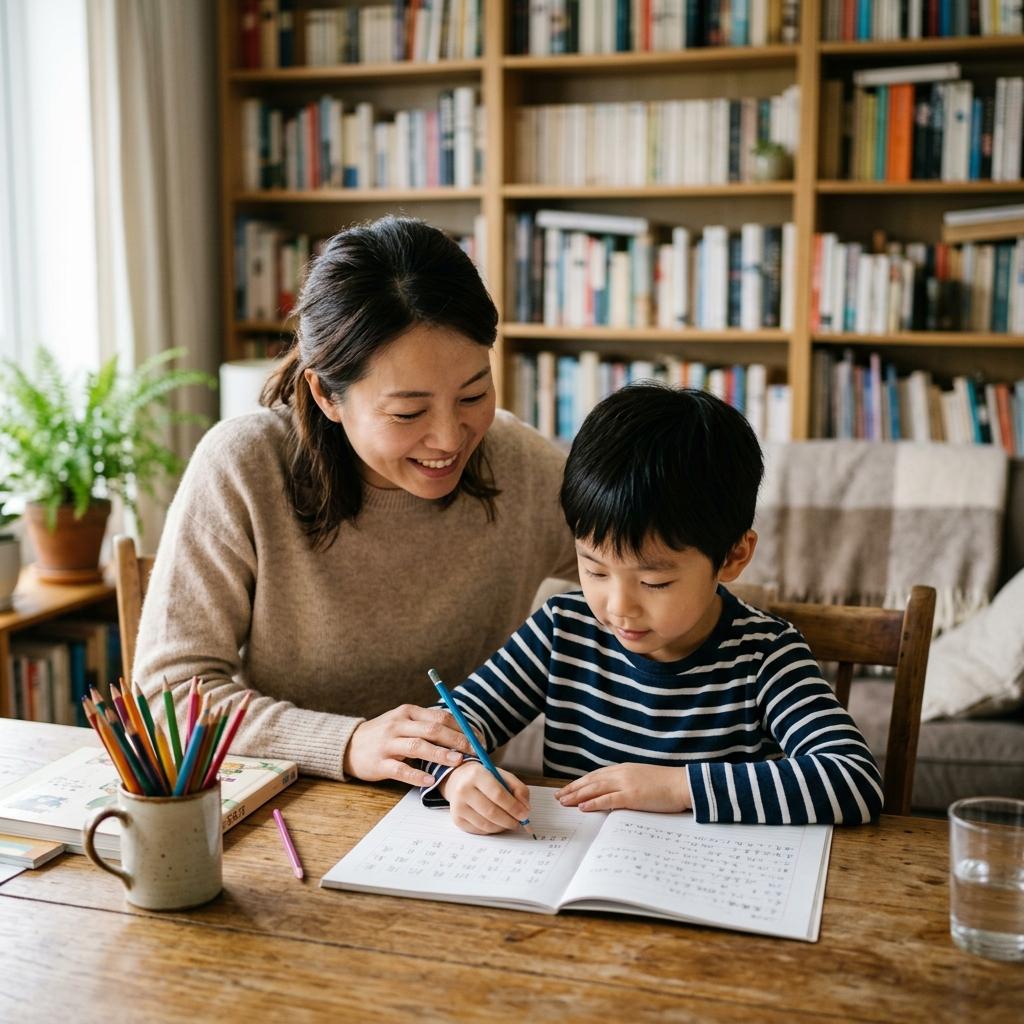
One of the most important steps in supporting a multilingual child is to continue using your native language at home. High proficiency in a first language provides a strong cognitive foundation that makes acquiring subsequent languages much easier. Read stories, sing songs, and have deep conversations in your family's native tongue.
Create a Low-Anxiety Learning Environment
Language acquisition is highly sensitive to stress. If a child feels anxious about making mistakes, their ability to process and produce language decreases. Encourage effort over accuracy, and celebrate their ability to communicate ideas, even if the grammar or pronunciation isn't perfect yet. Use positive reinforcement and keep conversations light and engaging.
Incorporate Visuals and Real-World Context
Connect new vocabulary with real-world objects and visual cues. When cooking together, name ingredients in multiple languages. When reading, use pictures to help define unfamiliar words. This contextual learning helps children form stronger neural connections and makes language acquisition natural and fun.
Foster Pride in Cultural Identity
Language and identity are deeply intertwined. Share family histories, cultural traditions, and stories of your heritage. When children feel proud of their background, their confidence rises, which positively impacts their overall academic and linguistic development.